

In the fast-paced world of product management, feedback loops are the lifeblood of continuous improvement. Without a solid system in place, valuable insights slip through the cracks, teams chase the wrong priorities, and customers feel unheard.
What is product ops?
Product operations (product ops) sits at the center of this challenge, ensuring that feedback flows smoothly, is processed effectively, and leads to meaningful product decisions. But too often, organizations find themselves drowning in scattered feedback with no clear path forward. How do you turn all that noise into clarity? Let’s explore how to build a structured, actionable, and scalable feedback loop that actually works.
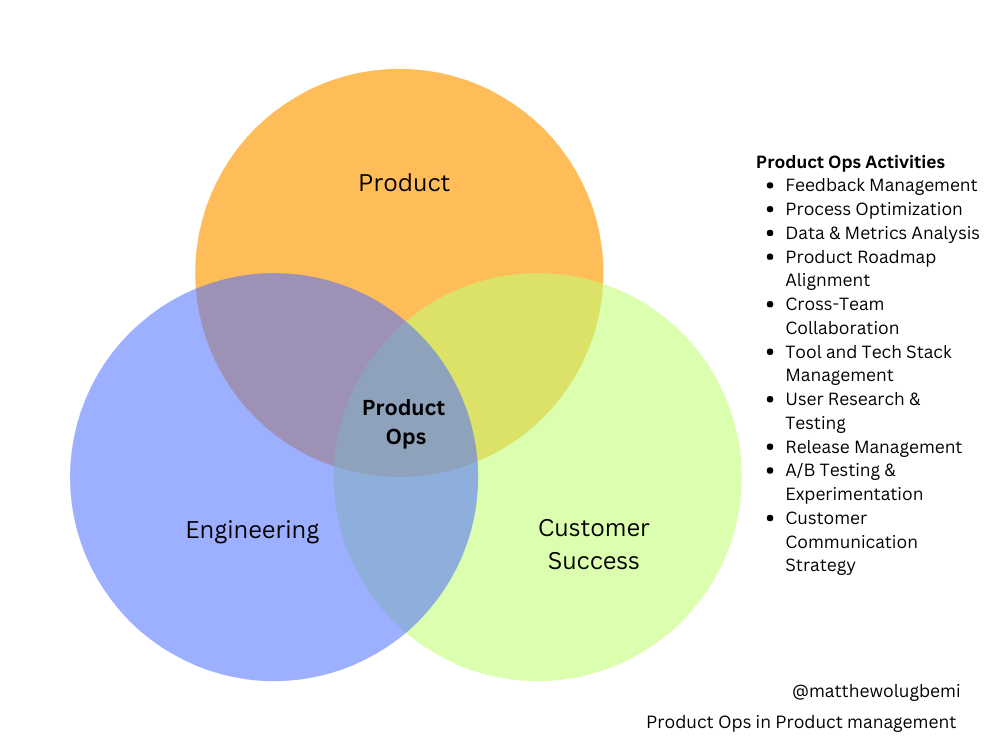
Why product ops is the backbone of feedback loops: Product ops isn’t just about streamlining processes; it’s about making sure that product teams are listening, learning, and delivering based on real user needs. A strong feedback loop requires:
- A central place for insights: Collecting data from customer support, sales, user interviews, and in-app analytics.
- A way to make sense of it all: Categorizing and prioritizing feedback so teams can take action without being overwhelmed.
- A commitment to closing the loop: Making sure customers know their voices matter by showing how their feedback shapes the product.
Without these elements, feedback becomes just another pile of data buried, ignored, or misused.
Building a feedback loop that works
Creating an efficient feedback loop isn’t about collecting more feedback; it’s about making what you already have more useful. Here’s how to do it:
- Gather feedback from the right places
- Internal sources: Customer support tickets, sales call transcripts, internal team discussions.
- External sources: Social media mentions, app store reviews, survey responses, direct user interviews.
- Behavioral analytics: Heatmaps, session replays, user retention metrics.
- Process and organize feedback smartly
- Tag and categorize automatically: AI-powered tools can help detect patterns, but human judgment is key.
- Triage feedback effectively: Not all feedback is urgent. Set up a system to sort immediate fixes from long-term insights.
- Prioritize based on what matters
- Score feedback for impact: Use a system like RICE (Reach, Impact, Confidence, Effort) to decide what’s worth pursuing first.
- Align with business goals: Feedback should help drive the bigger vision, not just quick fixes.
- Turn insights into actionable changes
- Collaborate across teams: Product, engineering, and design must work together to implement meaningful improvements.
- Test before rolling out: Use A/B testing to validate whether changes solve the right problems.
- Communicate back to users
- Showcase product updates: Release notes, community updates, and direct outreach to let customers know they’ve been heard.
- Reward engaged users: Recognize those who contribute valuable feedback to encourage ongoing engagement.
Case study: How Gumtree transformed its feedback loop
During my time as Senior Product Manager at Gumtree, one of the leading online classifieds platforms, we faced a major challenge with our feedback process. With millions of users buying, selling, and interacting daily, we were overwhelmed by incoming feedback from all angles, and our system for managing it simply wasn’t scaling.
The challenges:
We were a lean but driven team of product manager (myself), 4 developers, 1 QA specialist, 2 customer support (CS) agents and a cross-functional support from sales and marketing. We didn’t have a dedicated product ops team, so feedback management was fragmented across departments. Key issues we faced included:
- Dispersed feedback: User complaints and suggestions were scattered across support tickets, social media, and sales and marketing teams' portals.
- Slow issue resolution: Without a structured way to prioritize feedback, urgent problems took too long to address.
- Customer dissatisfaction: Users felt like their concerns weren’t being acknowledged or acted upon.
What changed:
We rolled out a structured, cross-functional initiative to build a centralized feedback process. Here’s what we did:
- Centralized feedback collection: Gumtree integrated a unified feedback system that aggregated insights from all user channels into a single channel with access for key stakeholders, product managers, sales, marketing, and customer support teams.
- Established a triage and tagging system: Each piece of feedback was categorized by urgency, impact, and frequency.
- Process ownership and cross-team involvement: Customer support was in charge of triaging user input, Marketing helped identify trends from user-facing campaigns, while Product handled prioritization using a RICE framework.
- Improved communication: I held a weekly sync call with the stakeholders to review the RICE backlog for alignment and proactively met with key clients to provide support and visibility into the feedback lifecycle.
- Improved transparency: The company introduced an automated process where users could get updates and track the progress of requested features and improvements.
The results:
- 40% faster resolution times for high-priority user-reported issues.
- Higher engagement and retention due to visible improvements based on user input.
- A more user-driven product as continuous feedback fueled iterative updates
- Increased morale across the team as everyone could see their work tied to user satisfaction.
- Renewed trust from our users, as they felt heard and valued.
Avoiding common pitfalls when building a feedback loop
- Drowning in too much feedback: When feedback pours in from multiple sources, it’s easy to get overwhelmed. Instead of reacting to everything, build a system that can sort, tag, and flag high-impact insights. Use automation, but validate with human review.
- Overweighting the loudest voices: It’s tempting to act on whoever shouts the loudest, especially if it’s a large client or vocal community member. But decisions should be rooted in both qualitative and quantitative data. Balance direct requests with behavior analytics, churn trends, and usage patterns.
- Failing to act on insights: The fastest way to lose user trust is to ask for feedback and do nothing with it. Build feedback into your roadmap cycle. Schedule monthly or quarterly reviews where product, design, and support teams evaluate and act on top-voted issues or trends.
- No ownership or accountability: If feedback lives everywhere and belongs to no one, it dies. Assign feedback champions across functions customer support, marketing, and product who make sure issues get flagged and followed through.
- Lack of visibility: Users won’t know they’re being heard unless you tell them. Communicate changes visibly, through updates, public changelogs, or community forums. Let people know their voice made a difference.
A well-structured feedback loop isn’t just a process; it’s a product team’s superpower. When done right, it transforms raw user input into strategic improvements, strengthens customer trust, and fuels better products.
Product ops is the linchpin that ensures feedback isn’t just collected but actually drives meaningful action. By learning from companies like Gumtree, teams can shift from reactive chaos to a proactive, user-centric approach. The future of product management belongs to teams that listen, learn, and adapt because the best products aren’t built in isolation; they’re built with the people who use them every day.

Keep reading
Designing safe conversational AI: The risks product managers overlook
What a 3-day hackathon taught me about product discovery
The brandbook MVP
Resetting product priorities with a strong UX vision