

The product launched last quarter. Engineering called it one of the cleanest launches yet. You had engagement, good feedback, and even a few LinkedIn shout-outs. But here you are, at post-launch, watching a familiar tension unfold: adoption isn't translating into revenue."
What happened?
This wasn't supposed to be the story. You did everything right. Or so it seemed.
Most product managers eventually conclude that there is a point in the product lifecycle when the shipping feature is not directly proportional to revenue; and still, for some reason, they are the ones who get pinned.
What if there were a way to break this cycle?
There is. And it starts by reclaiming a principle that belongs at the heart of product management: Willingness to Pay (WTP).
So, what is WTP?
WTP measures how much customers value a solution based on their willingness to spend. It serves as a heuristic for identifying which problems are worth solving and which features influence purchase decisions.
Many product teams focus on activity metrics like daily usage or NPS. These offer some insight but don't provide the complete intent. WTP fills that gap by embedding a financial perspective into roadmap decision-making.
Your roadmap gets more intentional when you understand what customers are willing to pay to address a problem. You begin to prioritize with intent, aligning decisions with measurable business outcomes. That is the moment when PMs move from feature optimization to revenue.
What are the levers that drive Willingness to Pay?
To explore WTP in action, consider two customers with very different requirements:
A seed-stage startup that spends roughly $40 a month on analytics. Their priorities are clarity, ease of use, and minimal commitment.
A large logistics software provider that allocates millions annually to avoid operational delays. For them, even an hour of downtime carries significant contractual and reputational consequences.
While both use similar tools, their willingness to pay will differ substantially based on the following:
- Problem severity. The logistics firm faces major disruptions. They will pay more to prevent those losses.
- Cost of alternatives. If legacy tools waste time, even a mid-priced product becomes a bargain.
- Time pressure. A startup can wait and test. An enterprise under pressure moves fast and spends accordingly.
- Risk perception. Trusted, secure, and reliable solutions win budgets because they reduce risk, not just deliver features.
Ultimately, WTP reflects not just who the customer is but the stakes involved and the perceived cost of failure. As Mark Stiving puts it, Willingness to Pay is contextual.
How to measure WTP
WTP can be studied, tested, and applied without deep pricing expertise. All you require is a thoughtful approach and the right questions. Ask customers what they currently spend to solve the problem. Probe deeper. How did they justify the budget? What other tools did they consider and reject?
From there, add structure using one or more of the following approaches.
1. Customer value interviews. This method employs structured conversations to understand customers' spending and address the problem. Ask how they allocate the budget, what tools they replaced, and what outcomes matter most. As Teresa Torres says, "If you're not talking to your customers every week, you're making product decisions in the dark."
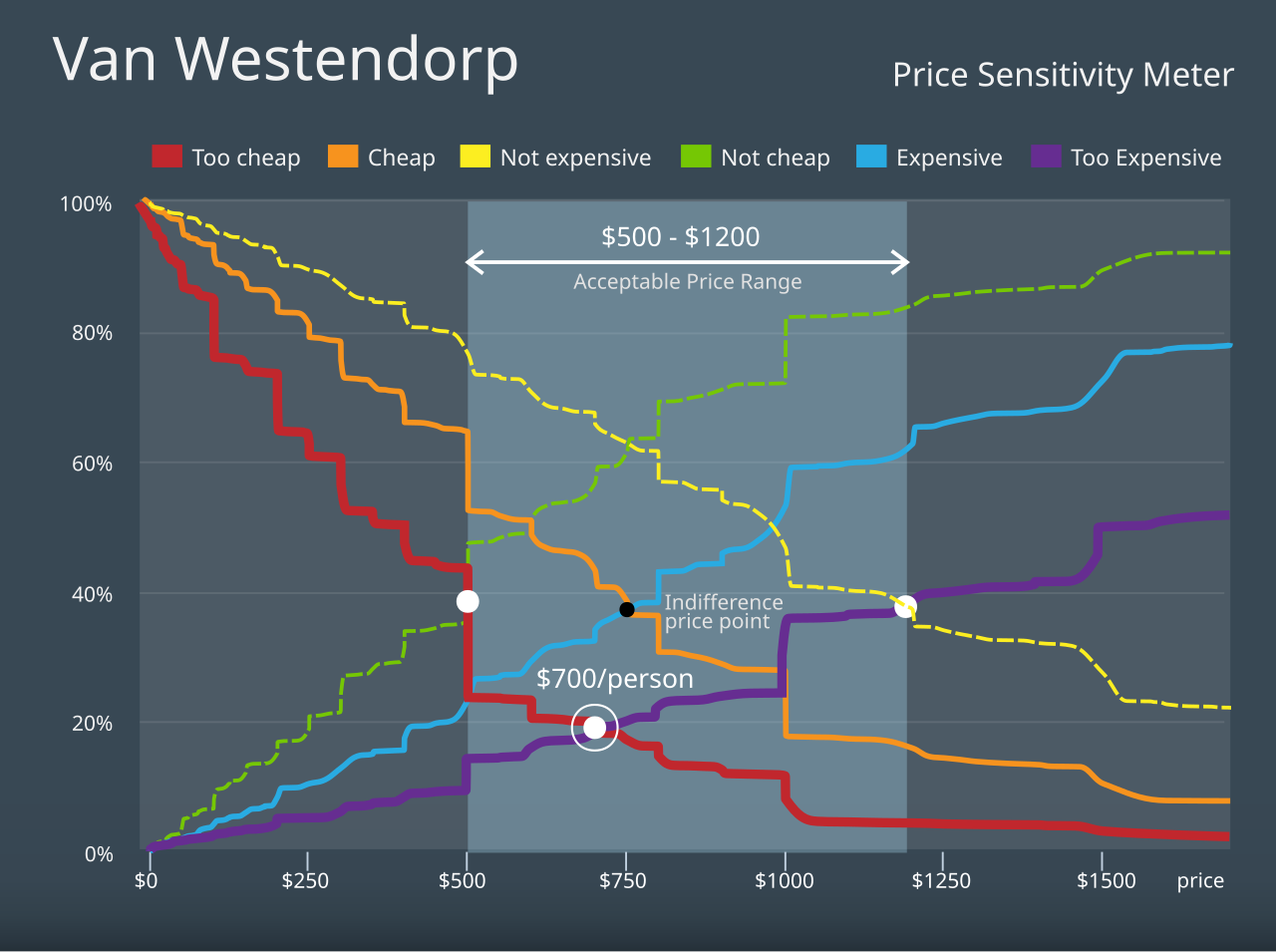
2. Price sensitivity surveys. The Van Westendorp Price Sensitivity Meter aids in uncovering how customers perceive value. It poses four inquiries:
- When does the product feel too cheap to trust?
- When is it a bargain?
- When does it begin to feel expensive?
- And when is it too expensive to consider?
Analyzing these responses reveals the acceptable price range and a point of optimal value perception. Conducting this survey across segments during discovery or beta testing highlights how perceived value fluctuates with urgency, use case, or buyer profile and brings pricing decisions closer to customer reality
By Levasha – Own work, CC BY-SA 4.0, https://commons.wikimedia.org/w/index.php?curid=46126719
Real-World Signals of WTP
Leading platforms have evolved beyond uniform pricing models. Their strategies reflect a nuanced understanding of how customers assign value at different stages of growth and complexity.
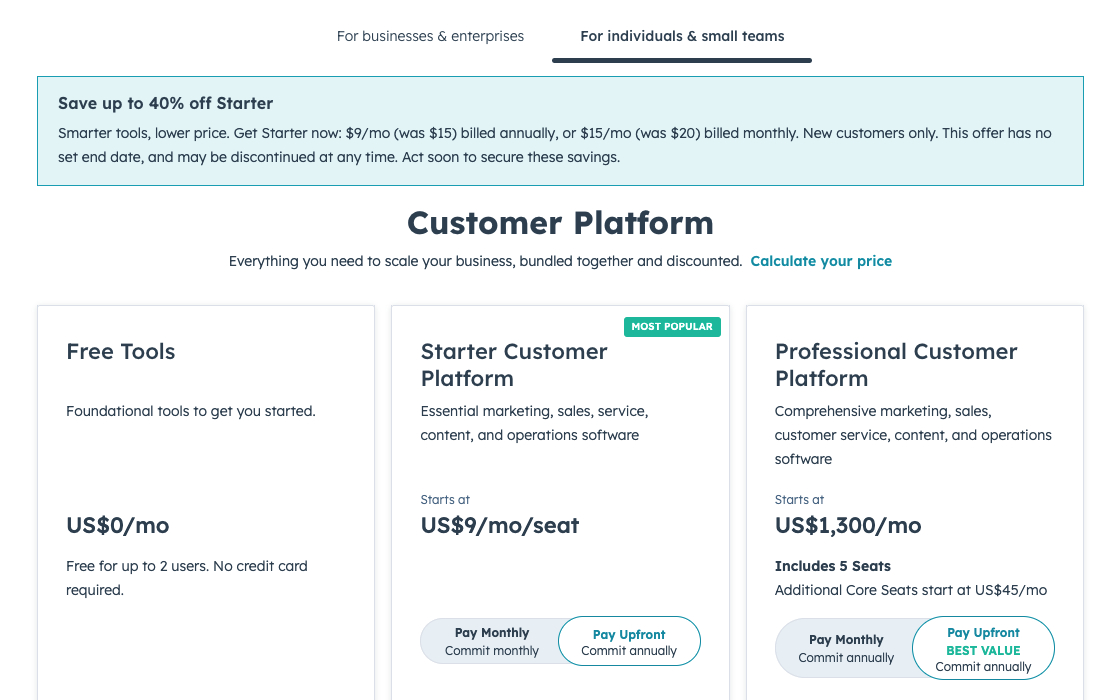
HubSpot Customer Platform starts with a $0 tier to attract price-sensitive teams. However, as complexity grows, so does pricing, starting from $9/month to $ 1,300/month. This pricing progression aligns with WTP's increase as companies scale, integrate more functions, and need reliable performance.
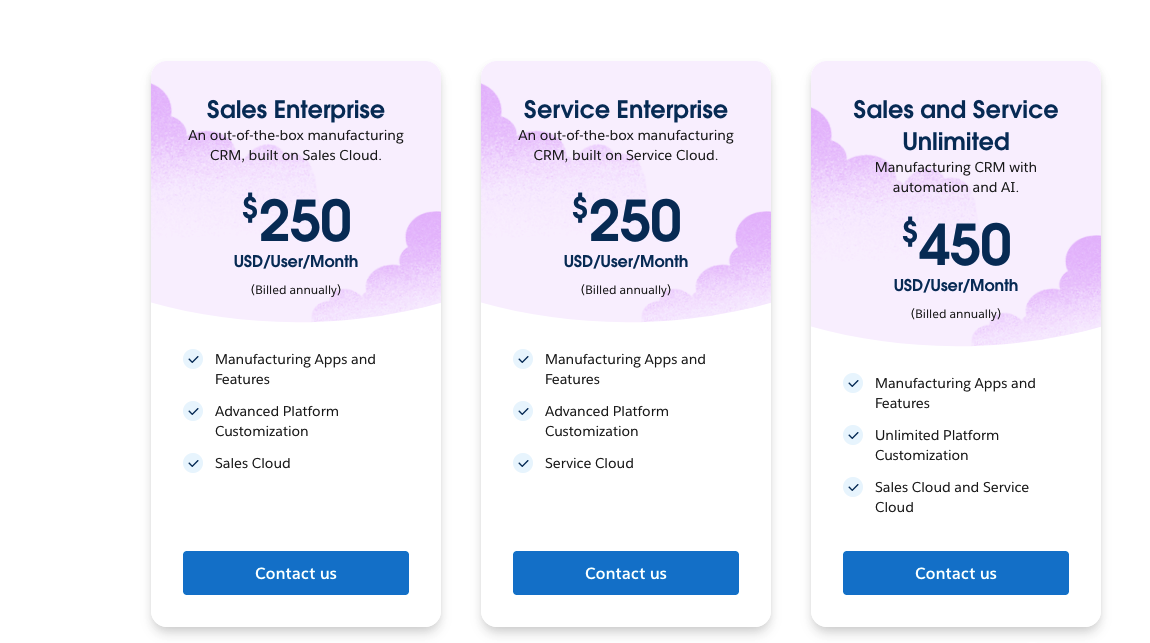
Salesforce Manufacturing CRM uses WTP to differentiate by urgency and perceived value. Companies that need just a sales enterprise or service enterprise are priced at $250 per user per month per user. Those needing automation, AI, and both clouds together pay $450. The uplift reflects higher stakes and willingness to pay for speed, scale, and reduced complexity.
Product managers weren't always asked to think about pricing. That responsibility lived elsewhere. But today, when product teams are judged not just on adoption but impact, that separation no longer serves.
That's when Willingness to Pay gives PMs a way in. The best PMs don't wait for sales to figure out pricing. They shape the offer before the demo.
WTP facilitates in discovering the problems customers already pay to solve, clarifying roadmap choices.
So next time you plan something bold, don't just ask: will they use it?
Ask: will they value it enough to pay?
That's when the product becomes a business lever, not just a build function.

Keep reading
Designing safe conversational AI: The risks product managers overlook
What a 3-day hackathon taught me about product discovery
The brandbook MVP
Resetting product priorities with a strong UX vision