

In this article, Dr. Seyi Ogebule, who will be speaking at the Inspire Africa conference, shares how true impact in African markets depends on understanding the chips, constraints, and systems that power AI on the ground.
When people hear “AI product manager,” they often picture someone building chatbots or shipping features with large language models. Most of the attention is on the apps, the models, the prompts. And to be fair, that’s the part everyone can see.
However, nobody really discusses the chips. The silicon.
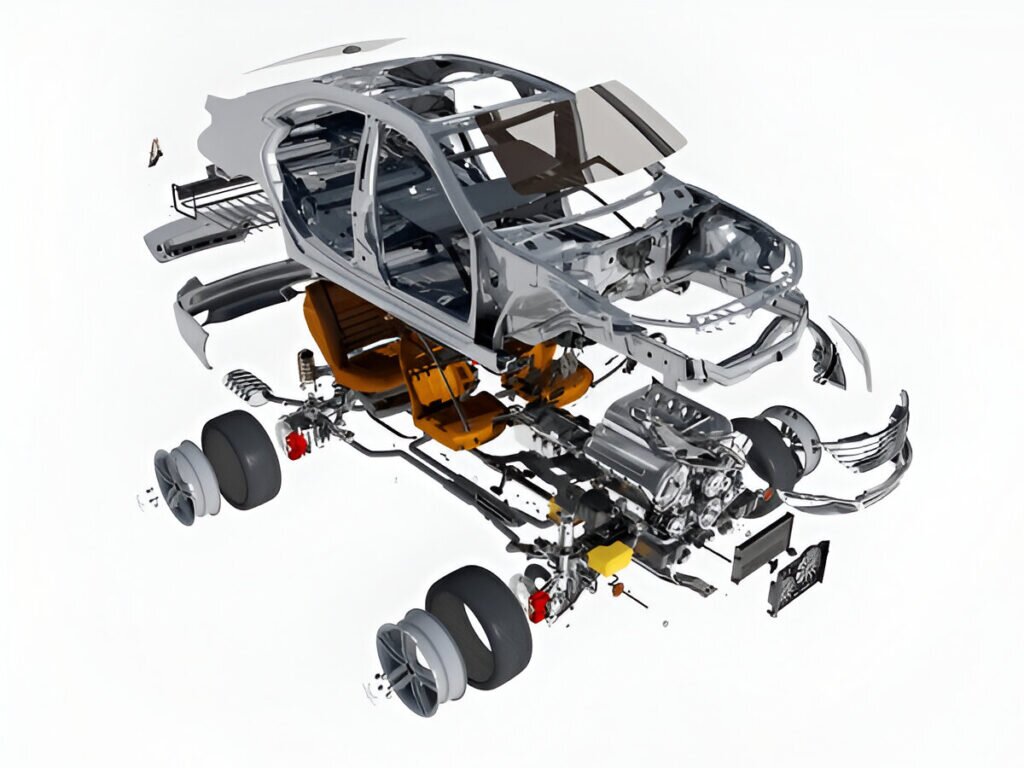
It’s analogous to the difference between talking about a car and talking about the engine. The apps are the car, but the chips are what make it move. I’ve spent time working on the “engine” side, and I think it’s time we had a more honest conversation about what it means to build AI with an understanding of hardware. While we’re all rushing to ship the next big thing in AI, a lot of us are skipping over the part that makes it possible in the first place.
When I say “silicon,” I mean the material at the core of most computer chips. But I also mean a way of thinking. A way of building that starts deeper than the interface or the model. In African markets, this layer matters even more than people realize. Currently, much of the thinking is still centered on the idea of "Just leave it to the cloud." “Deploy on AWS or Azure, let them do the work.” But AI inference is moving closer to where the data gets generated. It's moving to the edge. African markets are ideal environments for edge AI. Power, devices, and connectivity vary wildly. Every single one of those constraints, i.e., how fast something runs, how much heat it generates, and how often it should be updated, comes down to hardware. Yet most product managers aren’t trained to think about this. If we want to build AI that works in Africa, then product managers need to understand not just what AI can do, but how it’s powered. Hardware is product too. And that matters more than ever.
So here’s my question: do you speak silicon?
What silicon fluency means
Let’s be clear. Not every product manager needs to be an engineer. But in the AI era, technical fluency has become more critical. And “silicon fluency” is the next frontier.
Silicon fluency refers to the ability to understand how hardware-level decisions impact your product. Compute power, memory limits, energy usage, and heat can significantly impact your AI solution. It’s not about building chips yourself. It’s about knowing enough to ask the right questions and make better product calls.
When you’re fluent in silicon, your thinking shifts. Questions become:
- Can this AI model run on-device, or do we need to compress it?
- Is this chip designed for training or inference?
- Can we deploy updates or retrain models without a reliable internet connection?
- Will this AI camera continue to function in 40°C heat without active cooling?
- Will the AI workload interfere with other processes on the device (e.g., mobile payments)?
- Will this feature even work on an old Android phone in Lagos heat?
These aren’t just engineering questions. These are product questions, especially when you’re building for Africa, where real-world constraints are part of the daily equation.
The 4 principles of AI hardware product manager in Africa
Here are four principles I use to guide AI product work when hardware is involved, especially on the continent.
1. Design for constraint, not assumption
Constraints like poor connectivity, limited power, data scarcity, and high temperatures aren’t edge cases. They are the environment. You have to build with that in mind. These conditions should be part of the input, not surprises you deal with later.
2. Roadmap in hardware time
Hardware takes time. Chip decisions can lock you in for years. Unlike software, you don’t get to pivot whenever you want. Product managers need to think long-term and make choices that align with where the product and the market are going, not just what looks good this quarter.
3. Think system, not just product
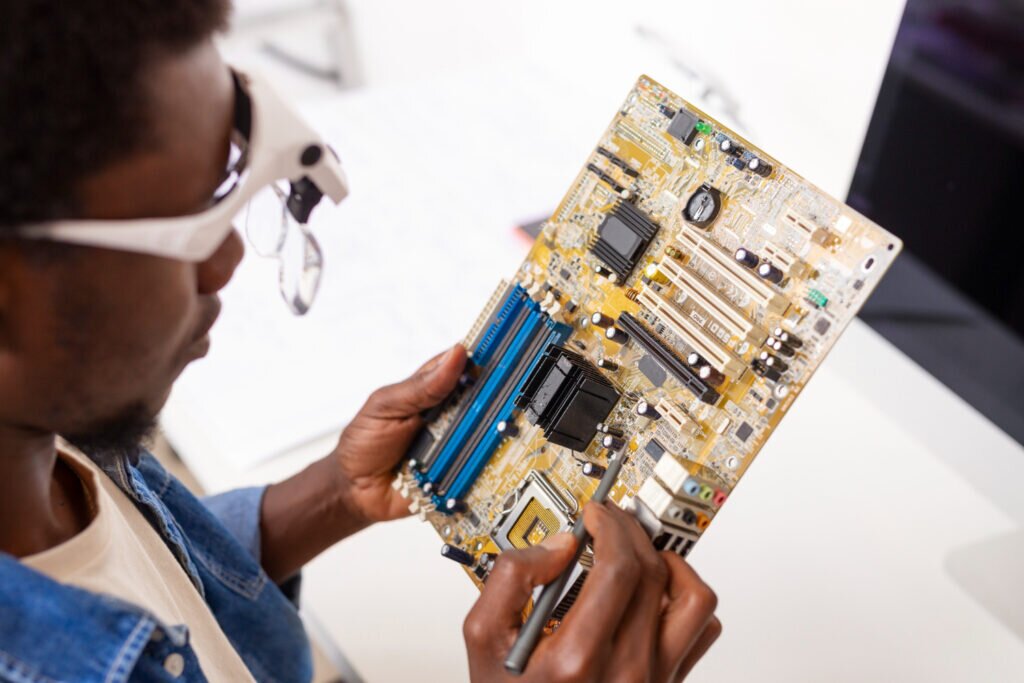
You’re managing an entire system, chip, software stack, device, infrastructure, and user. If any one part breaks, the product doesn’t deliver. Great product managers understand how all of these pieces fit together and optimize for the whole, not just one layer.
4. Build what works here
What works in Palo Alto might not make sense in Kigali. The idea may be global, but the execution must be local. That means designing for what’s available now, not just for what’s possible in a perfect lab environment.
Why this matters now
Africa doesn’t need AI that works in theory. It needs AI that works in the real world. And that means product managers who can think across the stack, from the user interface down to the chip.
The opportunity is real. Africa is well-positioned to lead in AI at the edge. Our constraints compel us to be more creative, efficient, and focused on what truly matters. And we don’t have to start from scratch. There are already diaspora product managers, engineers, and founders who have the experience and perspective to help bridge this gap.
We should be mentoring, sharing our knowledge, and collaborating across borders. And helping the next generation of African product leaders speak the whole language of AI, including the part that happens below the surface.
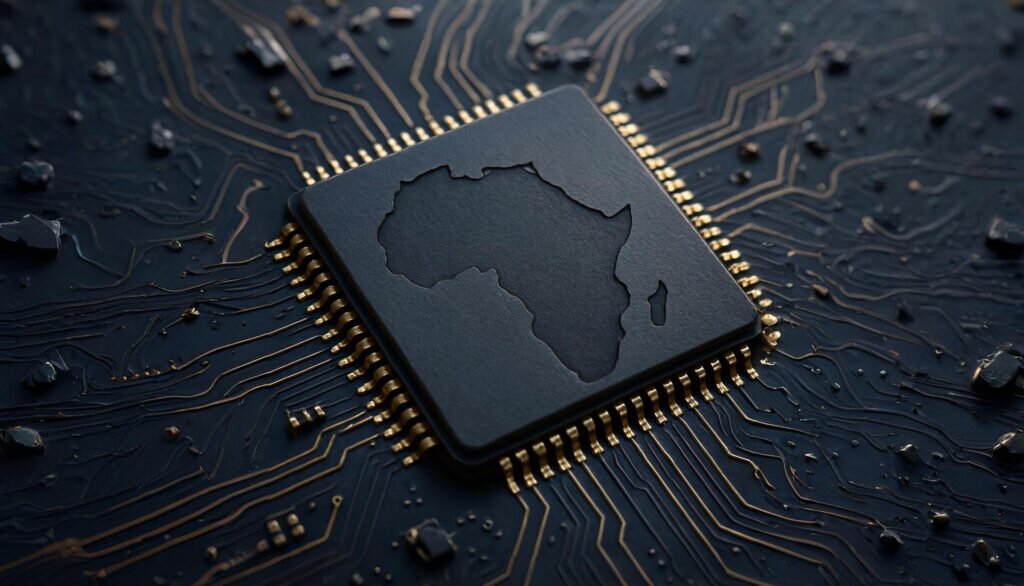
Because the future of AI in Africa won’t just reside in the cloud, it will also be present in edge devices, remote clinics, aging hardware, and unpredictable environments. It will succeed or fail based on whether we’ve paid attention to the chips powering the AI solutions.
Final thought
Hardware is product too. And if you're building AI for Africa, you can't afford to ignore it.
Whether you're working on a health app, an agricultural tool, or the next big fintech idea, remember this: your app is only as strong as the system it's built on. That includes the chip.
So I’ll ask again:
Do you speak silicon?
If not, it’s time to start learning.
Join Seyi at the Inspire Africa conference in Rwanda, Africa on 14-17 October 2025.

Keep reading
Designing safe conversational AI: The risks product managers overlook
Surviving the perfect storm: How hardware PMs can beat the AI tax and trade tariffs
From repetitive work to real impact: A case study on building an AI recommendation for developers
Product managers' role in making AI/ML systems more relevant