
Working on both the Channel 4 and Channel 5 TV Apps has been one of the most complex and rewarding experiences of my product career. It’s not just about delivering a slick user interface; it’s about navigating a fragmented ecosystem, anticipating viewer behaviour, and delivering seamless entertainment on platforms that range from cutting-edge consoles to ten-year-old smart TVs.
So, what have I learned? Let’s dive in.
Lesson 1: Product for TV is a whole different ball game
Web taught me speed. TV taught me patience.
On the web, you can iterate quickly and release on your own terms. TV? Not so much. I learned that releasing an app update means working through partner certifications, platform dependencies, and multi-device testing. It taught me the value of planning, communication, and diplomacy.
For example, at Channel 5, releasing our app to a new TV platform took six months of going through partner certification – including three rounds of bug fixes before approval. It wasn’t about how fast we could move - it was about how thorough we were willing to be and collaborating closely with the partner.
Lesson 2: Platform diversity is wild!
TV product management is like playing 4D chess.
From Samsung TVs to PlayStations, each platform has its own constraints, UX expectations, and technical quirks. I learned that building “one app to rule them all” isn’t just hard - it’s almost mythical. What matters is consistency where it counts, and flexibility where it doesn’t.
One example of this was when I worked on getting Watch Live, Watch Live Restart and improved Advertising capabilities in the Channel 4 App out on as many platforms as possible. This required some technical changes in relation to our Player and, from testing and speaking to partners, we discovered some of the TV devices would struggle to handle it and it would likely cause increased complexity.
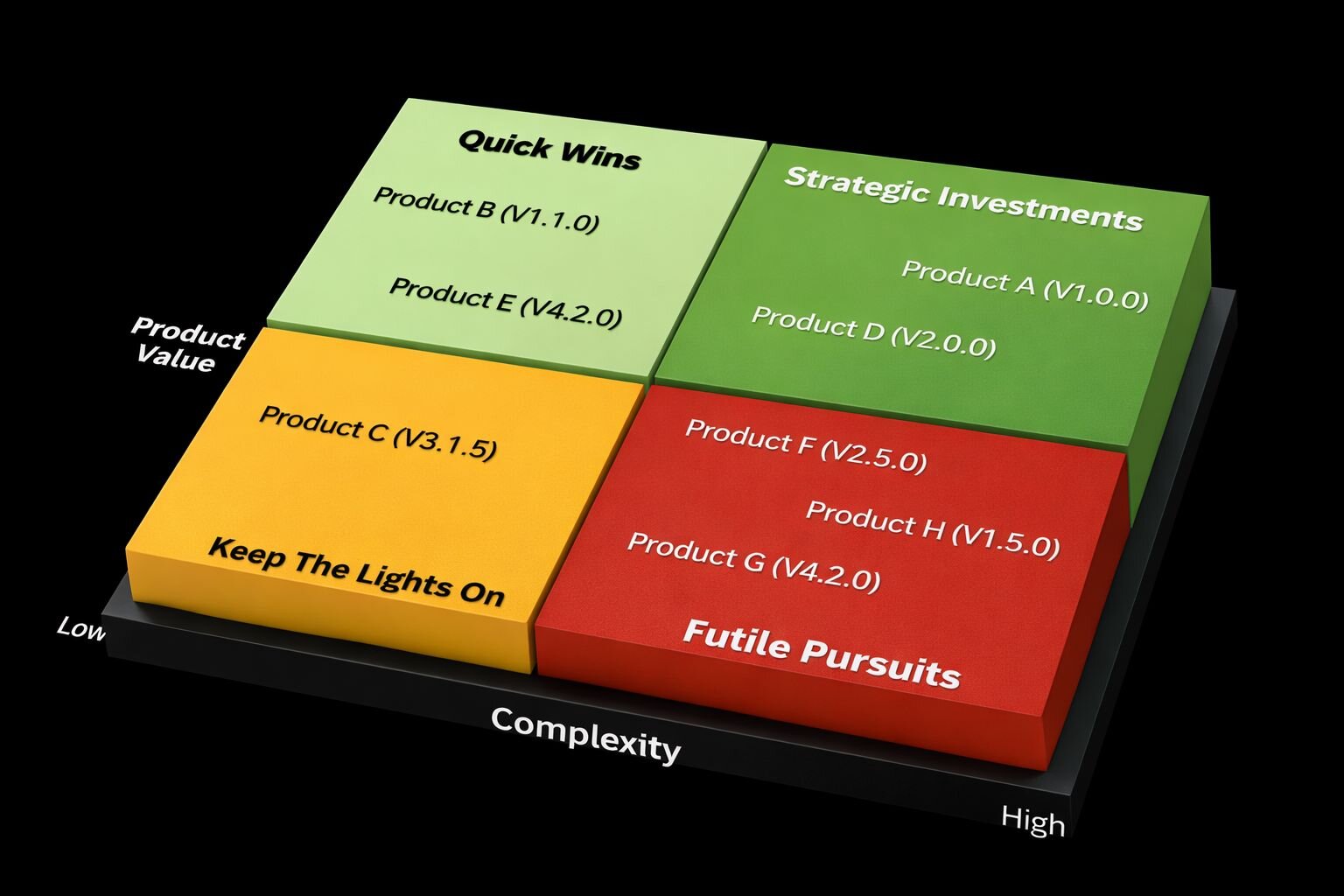
Therefore, we had to re-adjust our forecasting accordingly to understand whether it was still valuable to release this update on all platforms and devices. Through strong collaboration with our data insights, technical and commercial teams, we worked out a clear path forward.
Lesson 3: The UX approach is… different
Viewers lean back. You lean in.
In TV, people aren’t actively browsing the homepage for fun. They want to hit Bake Off and chill with a slice and a cuppa. That means a different way of approaching design. I learned that the best UX is invisible: larger fonts, effortless navigation, and smart recommendations that remove the need for endless scrolling.
My example here is all about the Continue Watching rail. We are regularly analysing the logic rules and placement of it in the Channel 4 App, as it’s such a key feature for users to jump back in from where they left off.
Alongside that, Auto-Play into the next episode is another key feature for keeping users in the flow when watching their favourite series. It’s something about which we dig deep in the data and regularly do user research into, to ensure we are matching user expectations.

Lesson 4: Performance is non-negotiable
No one forgives buffering.
In TV, performance is everything. Unlike web, a hiccup here feels more personal - because people don’t blame the device - they blame your app. Whether it’s buffering on Married at First Sight or failing subtitles on Gogglebox, the expectation is perfection. Users don’t want interruption. And when you’re optimising for a 10-year-old TV and a brand-new PS5 at the same time? That’s when your technical empathy is truly tested.
For example when the Bake Off Final aired, traffic spiked. We worked closely with Tech Ops to load-test ahead of time and ensure we had worked through different scenarios. The result: being flexible during this peak in traffic to ensure that no buffering or disruption occurred during the final meant increased trust in our brand and also fewer user complaints! Win Win!
Lesson 5: You can’t experiment like the web… yet.
You can’t A/B test easily on TV Apps. So, you do more homework.
On TV, experimentation is slow and complex. So, you dig deeper into user research, showcasing prototypes and validate as much as you can before you build. Real insight doesn’t come from assumptions - it comes from watching users use your product.
For instance, while at Channel 5 we used multiple click-through prototypes to test a few different show page layouts. Turns out that the one we thought users would like, they didn’t. So, we had to go back to the drawing board and work through some more solutions that we took back to user testing. In the end, we landed on a design that users loved. We shipped it, and it had a positive impact on engagement. That’s a win.
Lesson 6: Great PMs make the invisible visible
The tech is hard. The soft skills are harder.
In a streaming world where success is often “nothing went wrong,” product managers must champion the unseen work - collaboration, negotiation, data interpretation and relentless refinement. It’s less about shiny features, more about steady value.
You need engineers, designers, testers, partners, and leadership aligned - across devices and org charts. That means communication, empathy, and a lot of Slack threads.
Last example of the day: These are key skills for any product manager – stakeholder engagement and communication. When I joined Channel 4, there were a number of teams that I worked with to reduce the silos and increase collaboration. I did this via regular updates and sharing why things made it onto the roadmap (e.g. the value they would bring the biz). Including those teams in our thinking and the process made a real difference, and fostered better relations.
A final thought

Product on TV isn’t always sleek. It’s deep, complex, and - if you’re into this sort of thing - oddly beautiful. You learn to be clearer, calmer, and better at seeing round corners. I really love it and embrace the challenge.
If you’re working on a TV app (or just thinking about it), I’d love to swap notes. Get in touch, I’m friendly!