
There’s a quiet optimism sweeping through Africa’s technology ecosystem. With a median age of just 19, less than half that of Europe’s 42, the continent’s youngest generation has a key part to play in the future of product management and the wider technology ecosystem.
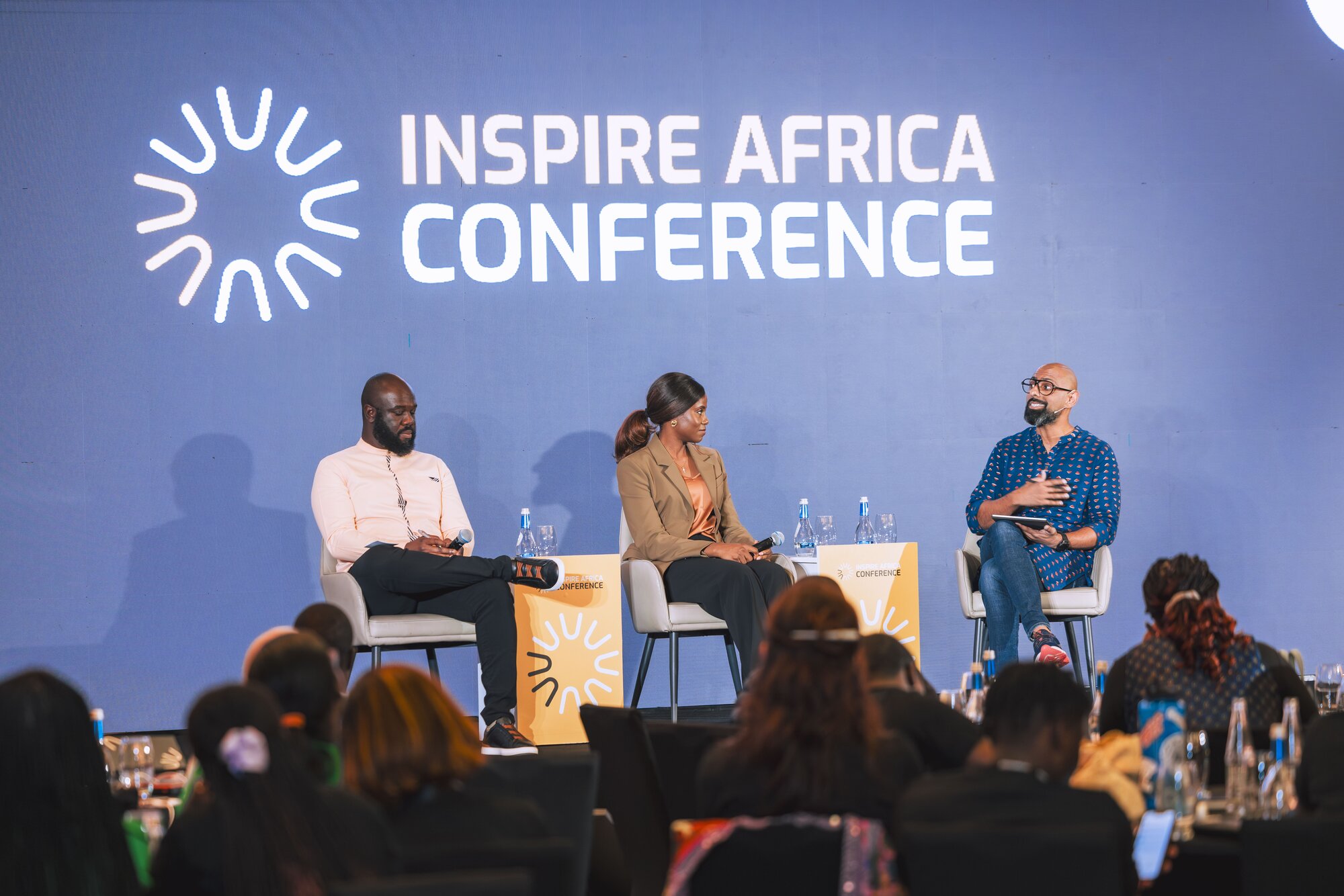
This month, we attended The Inspire Africa Conference in Kigali, Rwanda, to see how the continent of Africa does product. We heard from founders, product leaders, and a cabinet minister to find out the key trends emerging from the region, and the biggest challenges that product people face on the continent.
If there are two takeaways, the first is that there’s no single “right” way to build products, both in Africa and across the globe. Much of the work happens beyond books and frameworks, within real constraints, with teams learning in public and building for what people need today.
Read on for what we learned.
Government operating like a product team
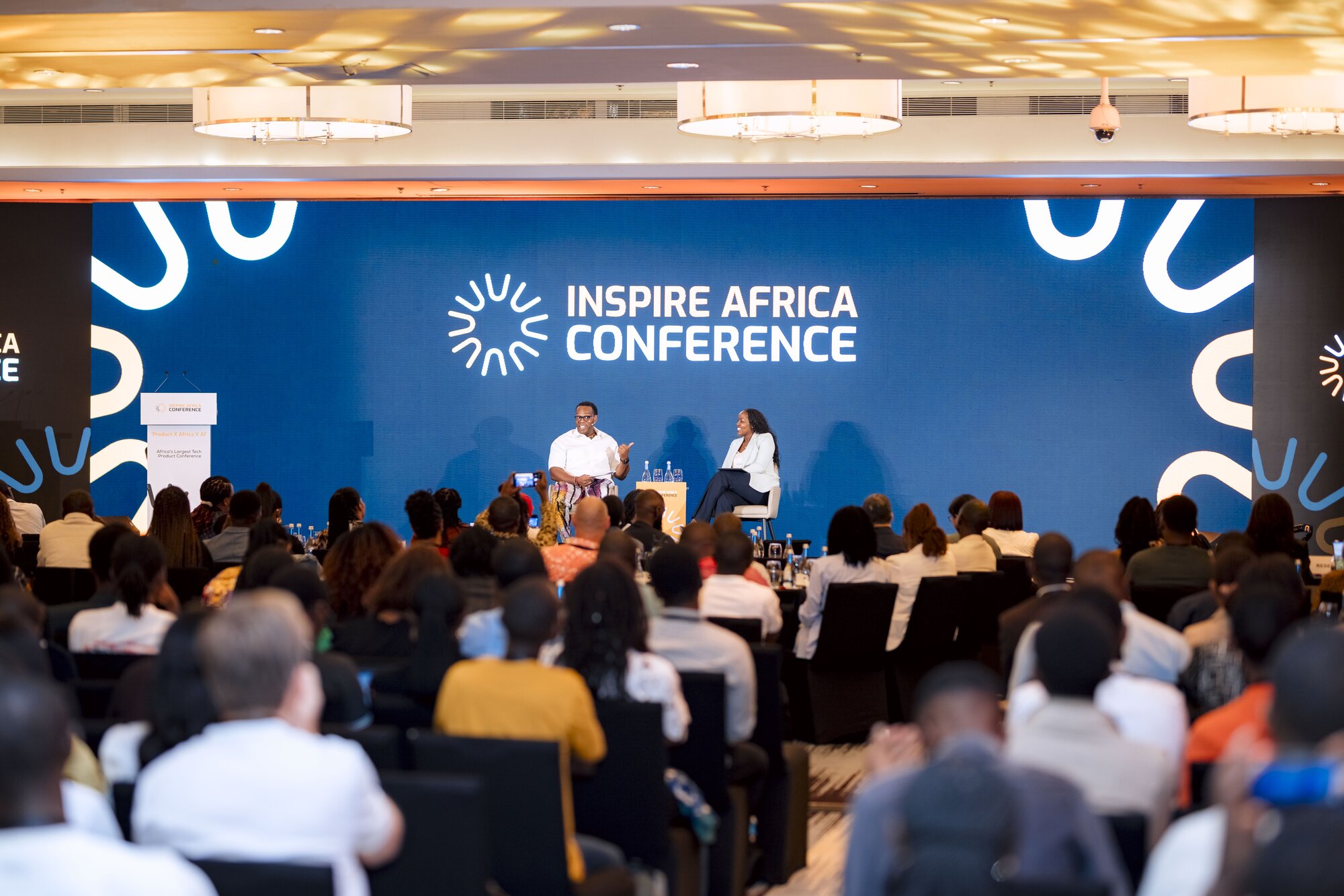
It is rare to hear a minister talk at a product conference; however, Paula Ingabire, Rwanda’s Minister of ICT & Innovation had some important lessons to share that directly relate to the product craft.
In a discussion with Chidi Afulezi, Product Coach and Managing Director at redKola digital labs, they opened by speaking of the citizens of Rwanda as customers, and of policy and process as parts of the product. Through the IremboGov platform, the country’s digital gateway for services such as birth certificates, driver's licenses, land transfers, and business registrations, her team applies product thinking to policy and processes. Early in Rwanda’s digital transformation, they discovered that a birth certificate, required for nearly every other service, expired every three months. The insight came directly from user feedback on the Irembo platform. So the ministry asked the obvious product question: why? The answer led to changes in law and process, allowing families to apply once and reuse the record.
“There’s been a lot of improvement on the platform, and that has been a result of how we get feedback and use data to inform changes,” she said. Rwanda’s operating model now mirrors private-sector product practice: embedding Chief Digital Officers across ministries to focus on outcomes over output.
On the AI front, Paula said, “Shying away from AI won’t stop it. We need to figure out how to deploy it responsibly and ethically.”
Closing out the opening discussion, Paula Ingabire said, “It doesn’t have to be broken for you to fix it”. In a nutshell, she explained that the best teams in Kigali don’t wait for a crisis to emerge before taking action. They are always questioning defaults, looking to remove friction, and finding ways to rebuild systems before they fail. This same principle applies to product management. A new idea or product comes from forming a habit of continuous discovery, understanding what you can do to provide value to users.
Understanding the financial limitations of building products in Africa
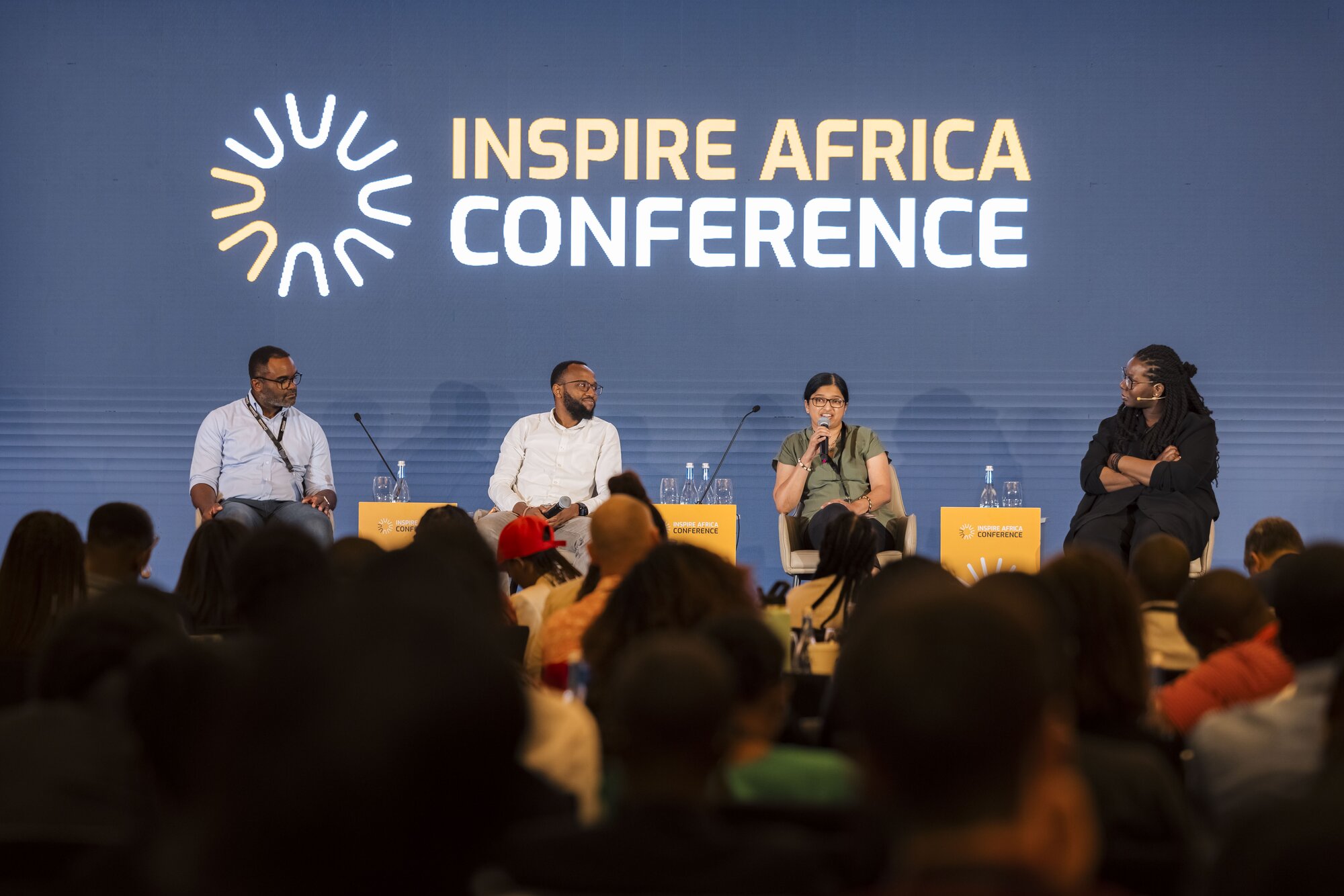
High borrowing costs, complex tax and debt structures, and the reality that only 15% of Africans earn more than $13 per day make business sustainability difficult. This was the focus of a panel featuring Euler Bropleh, Founder and Managing Partner at VestedWorld, Tesh Mbaabu, CEO & Founder at Cloud9, and Annu Augustine, Product Management Coach and Consultant.
To tackle this challenge, Euler Bropleh stressed that revenue has to be the key metric when defining product-market fit in African markets. He said, “One company may have 10 users and $500k revenue while another has 100,000 users and far less.”.
Tesh Mbaabu added that if unit economics are wrong at 10 customers, they are catastrophic at 200,000. For example, if you’re losing $1 per customer and are serving 200,000 customers, that is an unsustainable number. “Build a product that considers future friction points”, he said.
The panel showed three examples to bring this concept to life:
- Simplify, a company that was working with institutions on the continent, tried to use deposits in the UK/US/Canada as collateral for lending in Rwanda or Ghana. The idea was sound, but the cost to educate both sides of the market, combined with 20–30% borrowing costs, made it unsustainable; a pivot couldn’t overcome the cost of funds, and they wound down.
- Get It, a Kigali-based food-distribution business which was selling into formal retail, discovered how thin that segment can be: Covid-19 erased key customers (including RwandAir and conference demand), and debt quickly became unserviceable.
- On the flipside, Victory Farms, a Kenyan agritech/aquaculture business, used technology to push unit costs down and eventually undercut ageing imports. Same continent, very different outcomes.
Euler also pointed to the measurement tax. In product companies where data is scarce, it is easy to burn through spending on channels you can’t attribute well to business growth. Consequently, he stressed that when commercial referrals outperform, lean in to them. When they don’t, stop quickly. And always remember the state of the market, fundraising often takes two to three years and closes at 50–75% of the target, so survival often depends on financial and business acumen over product innovation.
Building belonging, meaning, and community through product
A standout session of the day came from Iphie Chuks-Adizue, Managing Director at Global Citizen, who argued for designing products and services for belonging, meaning, identity, and a community. Doing this will outlast any new app or feature.
At Move Africa, a music event in Kigali, Global Citizen hung Agaseke baskets on stage. Visitors asked what they were, locals explained, and people bought in. Pride and curiosity that the organisation created turned into commerce. The event drew over 8,000 people, including an estimated 1,200 from Kenya, and created over 1,000 jobs around the event. “Don’t stop at usage. Build meaning, belonging and identity.” Iphie Chuks‑Adizue said.
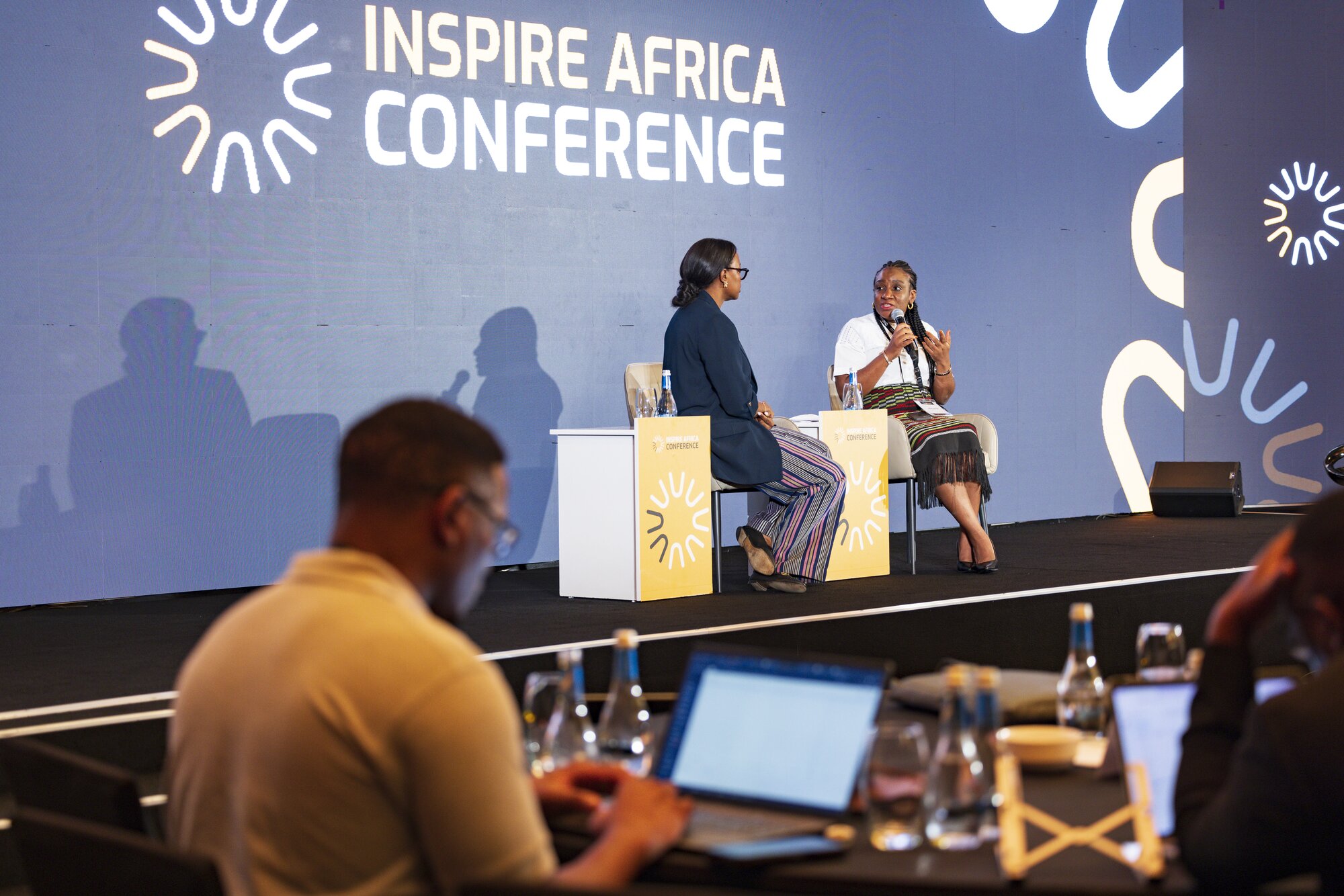
She also explained how policy can benefit from a product approach. She reflected on how Global Citizen mobilised citizens to pressure the World Bank to introduce debt-pause clauses. This new policy allows countries that are hit by natural disasters to rebuild before repaying loans. The victory was publicly announced, tracked through implementation, and ultimately adopted by other countries, proof that product thinking can move even the most rigid systems.
Her wider bet on Africa is growing the creative economy and using it as a jobs engine. She referenced Nashville’s live‑music economy that drives $20 billion annually and creates 56,000 jobs. A pan‑African touring circuit could replicate that effect across cities. “It can work,” she said, “but it needs infrastructure and standards. That’s what Move Africa is trying to build.”
Design products people actually use
The fastest way to miss the market when building products for Africa is to assume data is easy to find, and employ platforms used predominantly by Western countries. In a session focused on AI, Ezinne Udezue, Co-Founder of ProductMind, and Laura Teclemariam, former Sr Director of Product at LinkedIn, offered key insights on building digital products that are accessible across the continent.
First, Ezinne advised us to ship value on channels that already work, such as WhatsApp and other agent networks in the African ecosystem. She urged attendees to find something that gives them an idea of the people that they serve. For example, asking the younger generation to take pictures or videos of public engagements could be a good place to start.
Laura paired that with a tech stack for the continent. For language, she pointed to Google DeepMind’s free Gemma. And then for mobile devices, she said to “Go to GitHub and download lando and build on a mobile footprint.”
They both championed open-source AI as Africa’s advantage. Ezinee said, “We made publishing accessible for all through WordPress; open language models can do the same for AI.” Her key takeaway was that appropriate AI can deliver positive outcomes to products that your users already trust.
With build costs down, the bottlenecks have shifted, Laura believes. She laid out a readiness approach to building product: start with product-market fit, then test data readiness, ensure team capacity to pull and run models, and secure org enablement, legal, policy, finance and design, because governance and process now restrict speed as much as code.
Building on Laura’s point, Ezinne framed her readiness philosophy around people, process, and platform. “You hear this framework often, but for me, it’s simple: I assess honesty. Honesty about your people, your process, your data. I ask founders, are you being truthful about what’s working, and what isn’t?”
She explained that her decision to work with a coach or founder depends on that self-awareness. “It’s about being honest enough to ask: is this really a sharp problem? Is it worth solving? Because you can solve many problems, but if no one will pay for the solution, you’ll end up solving it alone and shutting down your company.”
Laura also reminded us that ethical considerations should be a key part of the product-market fit stage when building products. She shared an example of a headshot algorithm that “fixed teeth” and swapped local cultural dresses for a Western suit. If your product changes user identity rather than representing it, then you’re not delivering value to your users and building trust.
Moving fast in rigid environments
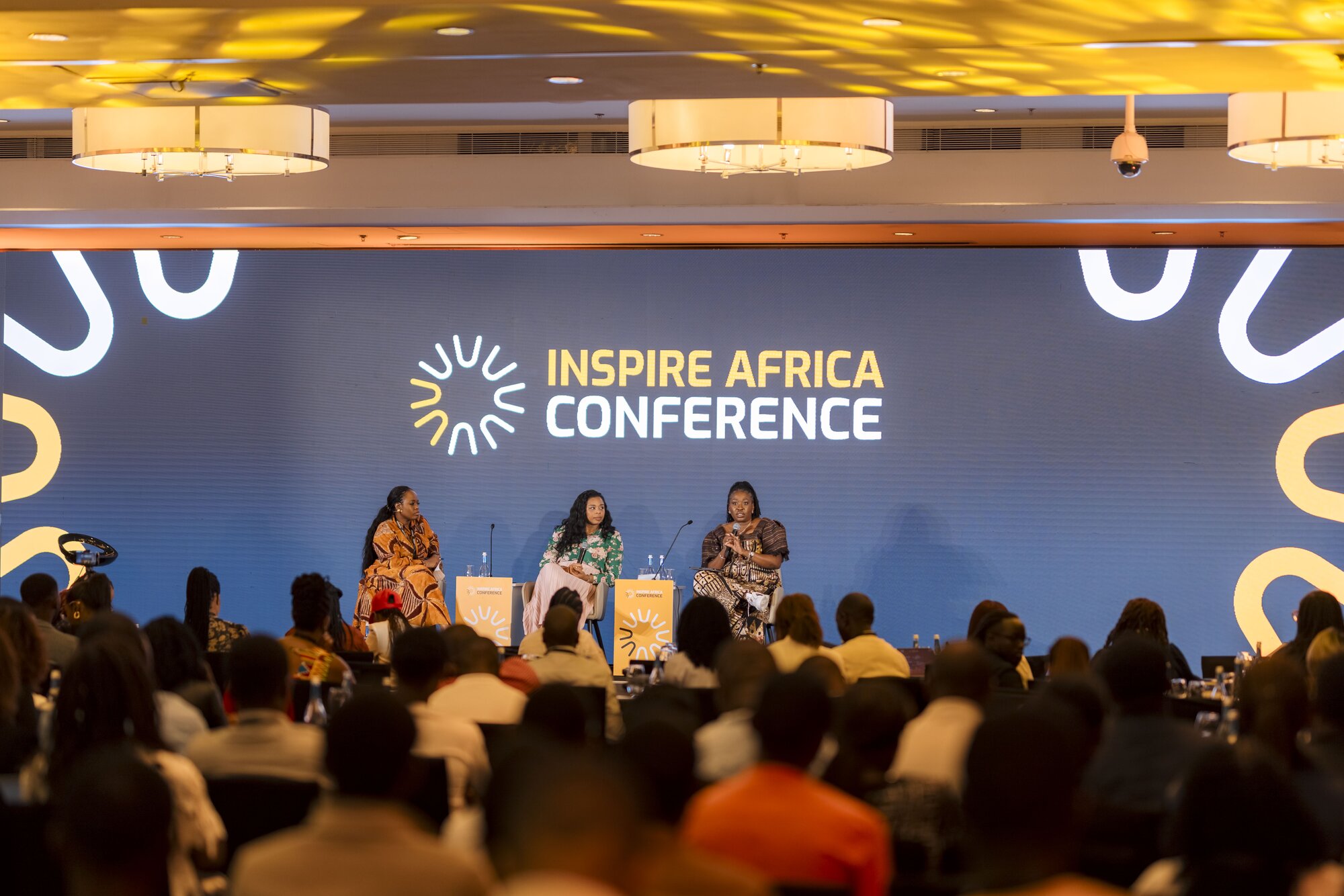
The term “Move fast and break things” reads differently when a mistake costs millions or when trust, identity, and privacy are part of the product. In the closing panel for the day, Dr Seyi Ogebule, Product Management Lead at Intel, and Charles Wartermberg, Head of Risk Product Management at Square, shared a few lessons on how to move fast and deliver value without breaking things.
Dr Seyi described how hardware product teams experiment constantly. However, their “fast” is measured in years. Her team frames strategy as crawl, walk, run: learn with the first generation, apply with the second, compete with the third. She explained how some bets are strategic and won’t show up in the quarter’s P&L. Due to this, product leaders who work with physical products need patience (and courage) to ensure that they are confident in the direction that they are moving in.
Charles Wartemberg, Head of Risk Product Management at Square, offered a different kind of adaptation: treat legal and privacy as boundary conditions that dictate the speed limit, then decide how fast to drive.
In his time at Netflix, this approach enabled the organisation to test and launch a phased rollout of its phone‑number registration feature in markets where email‑and‑password was a barrier. This process also helped them to deprioritise this feature in countries where there was a high risk of spam calls. After they understood the implications of different markets, they were able to deliver with solid safety measures in place.
The crucial tactic was timing: legal sat in the kickoff and tracked discovery, so approvals mirrored learning rather than blocking it at the end. “Legal and privacy will tell you the speed limit. You decide how fast to drive,” said Charles.
Key principles to build on
Across all of the sessions at the Inspire Africa conference, a few themes were highlighted as key lessons for product people on the continent.
- Meet users where they are at. If your users ride USSD and WhatsApp, ship there. Choose models that run where customers spend their time. Doing this will ensure that you’re building products for the right people instead of following a playbook of what the best products in the world are doing.
- Get the foundations right before scaling. Check what problem your product is solving, find whatever data you can to validate your assumptions, consider the ethical implications of your product, and bring your team in early. Doing the groundwork before going to market will ensure that you don’t hit any issues later down the line.
- Design for the ecosystem tax. In Africa, technology is expensive, attribution is limited and capital costs bite. Measure product success in revenue over vanity metrics.
- Lead like a builder. In hardware products, “fast” is years; with regulated products, breaking things can cost a business millions. Bring legal and privacy teams in the discovery phase so they can set the speed limit while you drive.
