
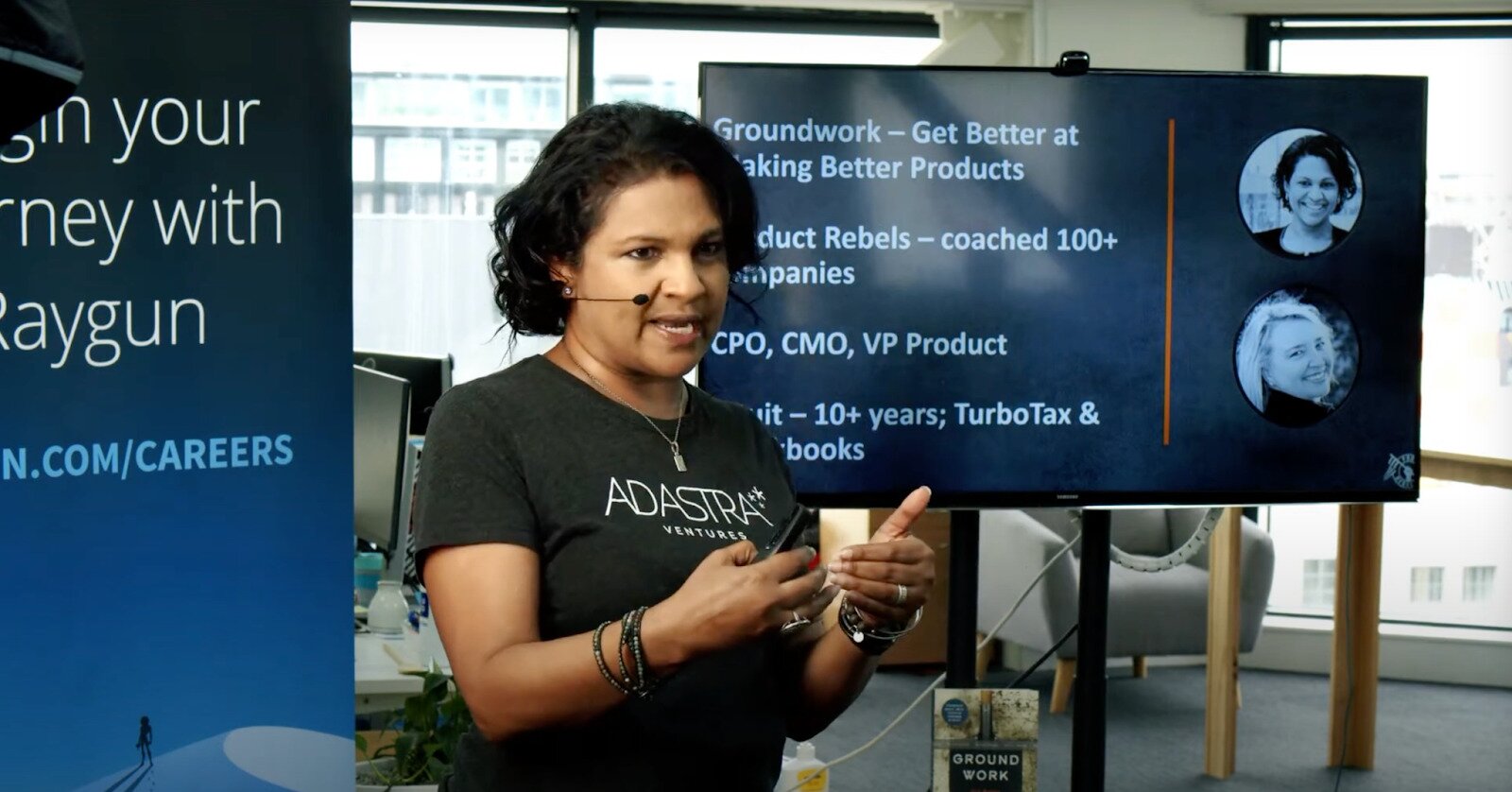
We’re thrilled to have Vidya Dinamani, Founder and Partner at Product Rebels, joining us as a speaker at this year’s INDUSTRY Leadership Forum, our flagship North American conference for product leaders. Ahead of the event, we're revisiting one of her standout talks from ProductTank Wellington, where she shared a masterclass on what it really takes to build products that customers truly love.
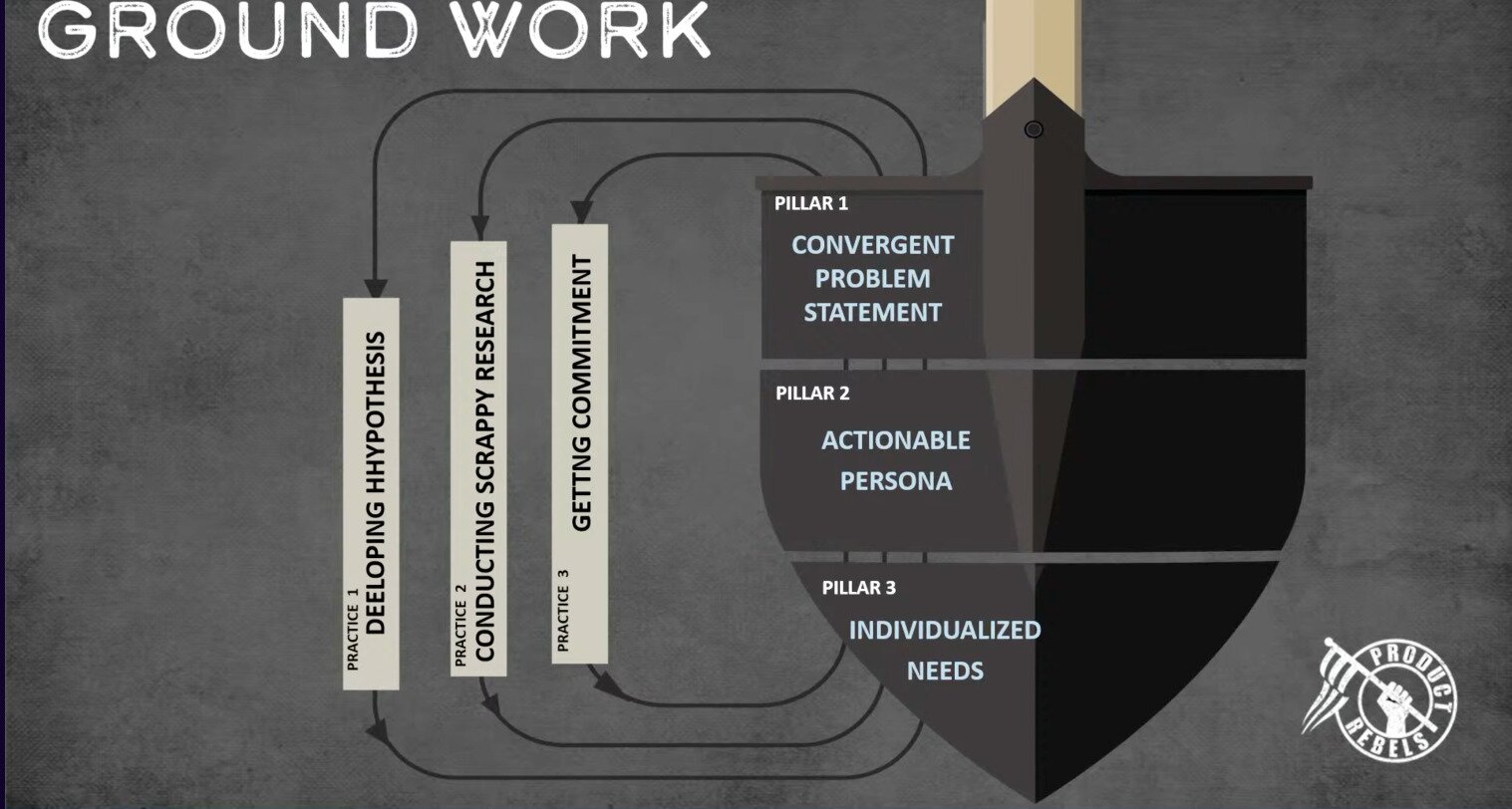
Drawing from decades at Intuit and from coaching over 100 companies, Vidya unpacked the three pillars of great product management. Read on for some of her key insights, and get ready for more when she takes the stage at INDUSTRY.
Why do some products win and others don’t
Vidya began by looking at contrasting products that delight and those that flop. She spotlighted products with exceptional ratings while contrasting them with high-profile failures like Google Glass and Windows Vista,, using them to show that even companies with immense resources often miss the mark. Success, she argued, comes down to mastering these three product fundamentals.
Pillar One: Define the right problem
Product teams, Vidya noted, often rush into building. But before anything else, they must get crystal clear on the customer problem. Fundamentally, many product teams are overwhelmed by out-of-control backlogs, clashing team opinions, and prioritisation.
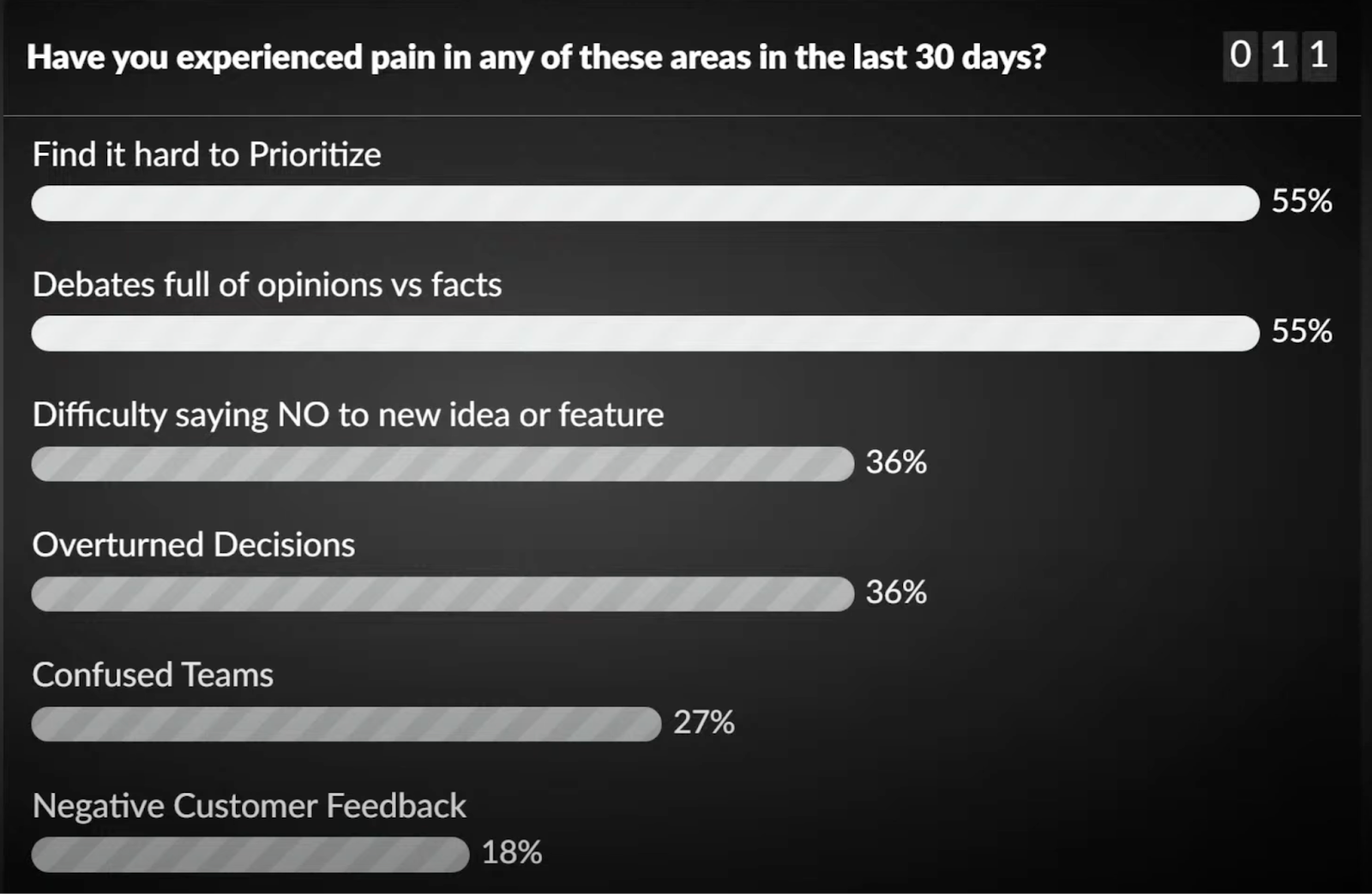
What’s the better approach? Craft a Convergent problem statement that expresses the difficulty your customer is dealing with.
This creates space for product teams to address a specific problem without emotion while identifying the root cause of a customer pain point. Vidya recommends going back to every feature and product, and tying it back to a core customer problem.
Pillar Two: Build Actionable Personas
Personas are often dismissed as fluffy or meaningless. Vidya challenges us to do them properly. That means tossing out the generic stock photo archetypes and instead “building a living archetype of your primary target customer, representing similar behaviours and characteristics among a group of individuals, actively used in daily product decisions.”
She shared examples from Gusto, where real customer quotes guided product decisions. Character traits like being more hands-off or being more data-focused give product teams trade-offs and help them understand what to prioritise around these specific personas.
Importantly, actionable personas are key tools for understanding different buyers. If used well, they help cut through debates and align teams on what the customer truly values.
Pillar Three: Individualise Customer Needs
Pillar three is the core, where it all comes together, Vidya explains. No product serves just one person.
Vidya introduced the idea of mapping individualised needs, segmenting what different customer types want, and prioritising which to solve for. Using persona examples like a nurse in a flat, a dad in a smart home, and a student in a run-down neighbourhood, she showed how observing users in context leads to deeper empathy and smarter decisions.
How do you deal with their needs? Observe, Empathise, then Prioritise, based on what the business wants to do.
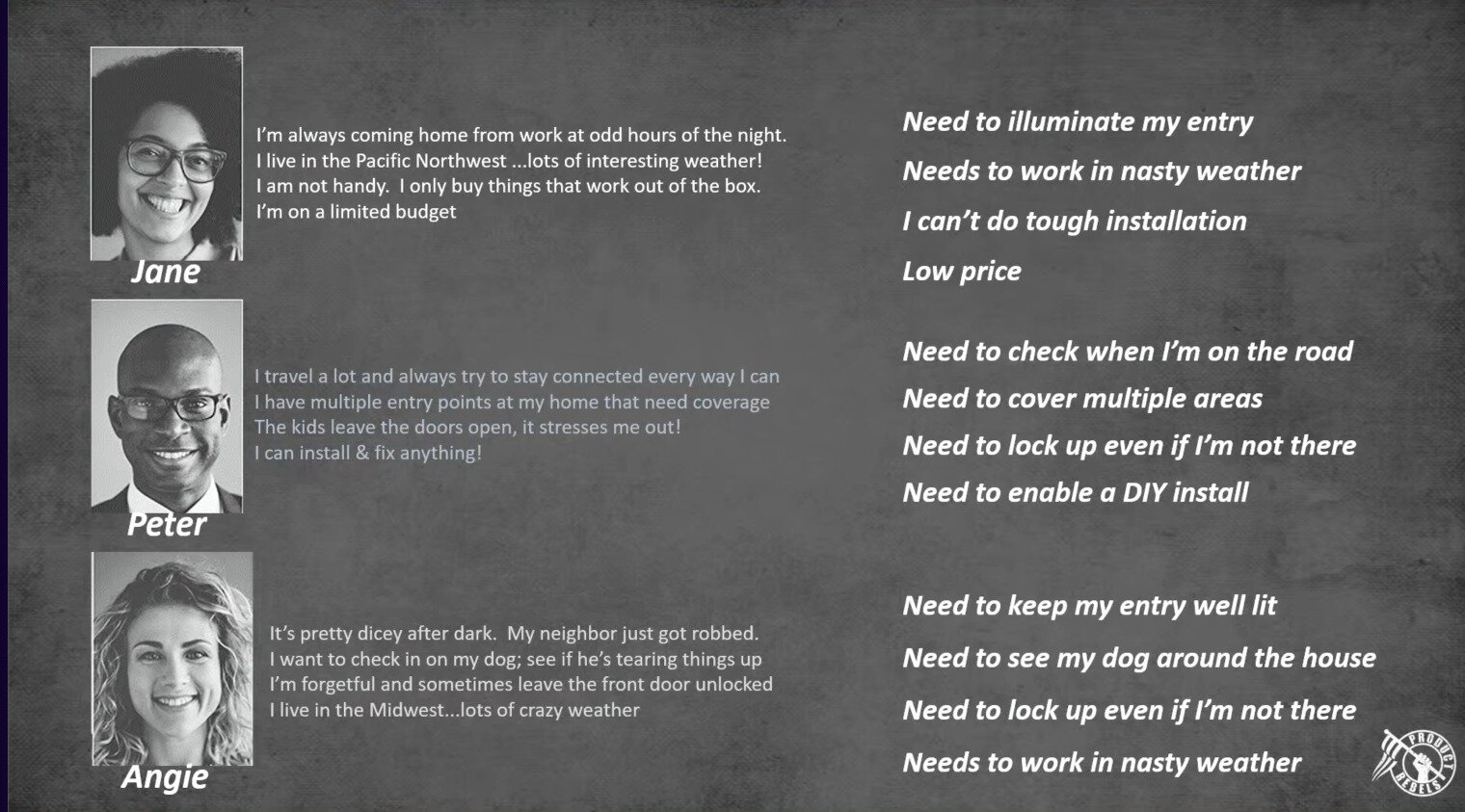
Where do people go wrong from here? Trying to please everyone at once, Vidya notes. Teams often chase common needs across personas, but end up solving none well. Vidya advises picking one primary persona and designing for them fully. Then other personas can be addressed afterwards.
“From a business perspective, there’s a case for a sole persona to prioritise, but that’s not to say that we’re leaving other personas behind, you can say that you have prioritised clearly for a sole persona so you have specifically solved all of one group's problems.” Vidya highlights. Then, after you’ve done that, you can start marketing to another persona. Focusing on one gives you a clear roadmap and commitment from the team and stakeholders.
In a nutshell, Vidya recommends to:
- Choose a problem
- Choose a persona
- Prioritise needs
- Rinse and repeat
Practice Makes Product
In the final part of her talk, Vidya outlined three practices that reinforce the pillars:
- Develop hypotheses: Frame what you think you know, then test it.
- Conduct scrappy research: Talk to customers quickly and often. It doesn’t need to take weeks.
- Get commitment: Present insights in a way that earns buy-in across product, engineering and business teams.
A closing challenge
Vidya closed with a challenge: go back to your backlog and rewrite every feature as a customer problem. Use real personas. Focus on individual needs. Build fewer, better things, and don’t forget to bring your dev team closer to the customer.
The result? Stronger products, aligned teams, and a fighting chance of building something customers love.

Keep reading
Surviving the perfect storm: How hardware PMs can beat the AI tax and trade tariffs
January's top product management reads on Mind the Product
How to start a sustainable product business: CEO Laura Crawford on growing her brand from scratch
What the GPT-5 launch teaches product managers